Rental disputes in Dubai are more common than most people expect. Whether you are a tenant facing an unjust eviction, a landlord dealing with unpaid rent, or either party locked in a disagreement over maintenance, knowing your legal options is critical. This comprehensive guide explains everything you need to know about how to file rental dispute Dubai in 2026 — from required documents and RDC fees to step-by-step filing and expected timelines.
What is the Rental Dispute Center (RDC) in Dubai?
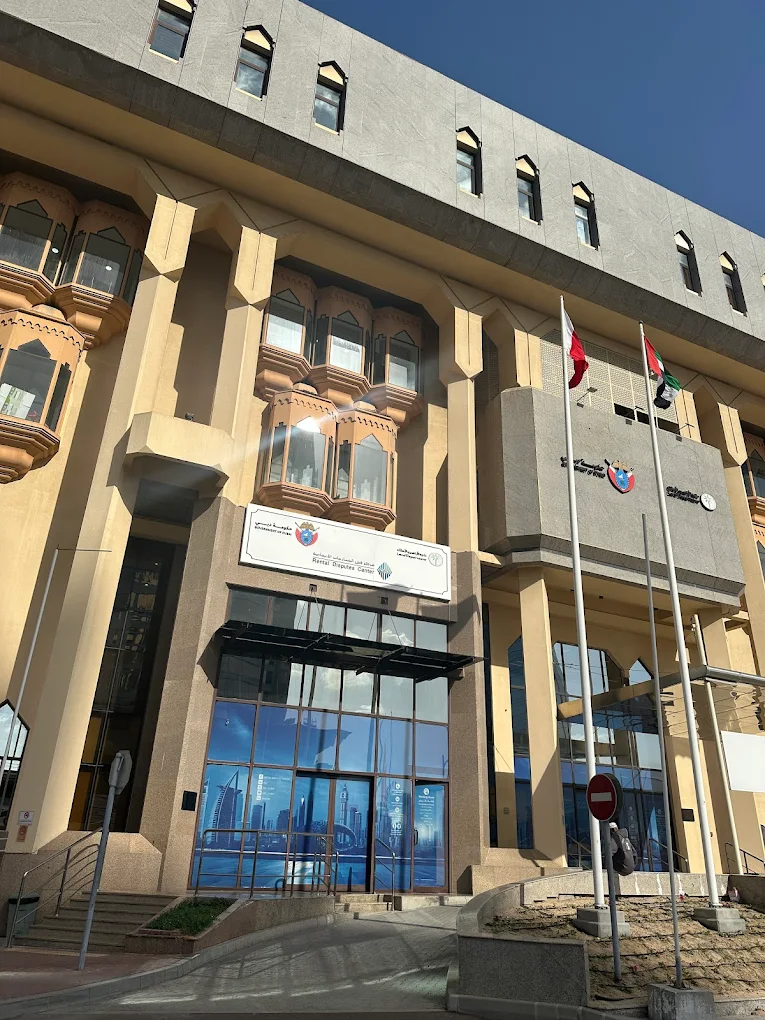
The Rental Dispute Center (RDC) is Dubai’s official government authority responsible for resolving disputes between landlords and tenants. It operates as a specialized judicial arm of the Dubai Land Department (DLD) and was established to provide a faster, more accessible, and more cost-effective alternative to traditional court proceedings.
Unlike general civil courts, the RDC has specialist judges and mediators with deep expertise in Dubai property law, tenancy regulations, and the provisions of Law No. 26 of 2007 (as amended by Law No. 33 of 2008) and RERA directives. Services are available both online and in person, making the RDC accessible to all Dubai residents.
Types of Cases Handled by the RDC
The RDC is equipped to handle a wide range of tenancy-related disputes, including:
- Non-payment or delayed payment of rent
- Unlawful or improperly issued eviction notices
- Security deposit refund disputes
- Disagreements over maintenance and repair responsibilities
- Breach of tenancy contract by either party
- Unauthorized subletting or property modifications
- Early termination of lease disputes
- Unlawful rent increases beyond the RERA Rental Index
- Failure to register the tenancy on Ejari
When Should You File a Rental Dispute in Dubai?
Not every disagreement warrants formal legal action. Filing unnecessarily can incur avoidable costs and time. You should consider filing at the RDC when:
- Your landlord refuses to return the security deposit after tenancy ends without valid justification
- You receive an eviction notice that does not comply with the legally required 12-month notice period
- Your landlord has increased rent beyond the limits set by RERA’s Rental Index
- Your tenant has stopped paying rent and is not responding to written demands
- Either party has materially breached the tenancy agreement
- The landlord refuses to carry out essential maintenance agreed upon in the contract
- There is a dispute about utility bills or service charges
Required Documents for RDC Dubai Rental Dispute
Gathering thorough documentation is one of the most critical steps in the filing process. Incomplete or poorly organized documents are a leading cause of delays at the RDC.
Mandatory Documents
- Valid tenancy contract registered on the Ejari system
- Emirates ID (UAE residents) or passport copy (non-residents)
- Proof of rental payments — bank transfers, receipts, or cleared cheques
- Security deposit receipt or evidence of deposit payment
- Any formal written notices sent or received (eviction notices, demand letters)
Supporting Evidence
The following additional evidence can significantly strengthen your case:
- Email and WhatsApp correspondence with the other party
- Photographs or videos documenting property condition, damage, or maintenance issues
- Copies of maintenance requests submitted to the landlord or property manager
- Bank statements showing your full rent payment history
- Witness contact details if witnesses will be called to testify
- Expert or inspection reports relevant to the dispute
- Copies of complaints previously filed with Dubai Municipality or other authorities
RDC Dubai Fees in 2026
Filing a rental dispute at the RDC involves financial costs that both parties should understand before proceeding. The fee structure is proportional to the value of the dispute.
| Fee Type | Amount |
|---|---|
| Filing Fee (% of annual rent value) | 3.5% |
| Minimum Filing Fee | AED 500 |
| Maximum Filing Fee | AED 20,000 |
| Knowledge & Innovation Fee | AED 20 – 50 |
| Expert Report (if required) | Varies |
| Translation Services (if required) | Varies |
| Legal Representation | Varies |
Important: Filing fees are generally non-refundable, even if you withdraw your case after registration. Expert fees appointed by the RDC are typically borne by the losing party as part of the final judgment.
Step-by-Step Process to File a Rental Dispute in Dubai
The RDC process is structured and straightforward when you know what to expect. Here is a detailed breakdown of every stage from preparation to judgment.
Step 1: Attempt Amicable Resolution
Send a formal written notice — via email or registered letter — clearly stating the issue, what you expect, and a response deadline. Keep copies of all communications. This step demonstrates good faith to the judge if the matter proceeds to the RDC.
Step 2: Gather and Organize All Documents
Collect all mandatory and supporting documents. Create clearly labeled copies of everything you intend to submit. Documents not in Arabic must be officially translated by a certified translation office in Dubai.
Step 3: File the Case — Online or In Person
Submit your application through the RDC online portal (available 24/7 via the Dubai Land Department website) or visit the RDC office in Deira. Fill in the detailed application form specifying the nature of the dispute, desired outcome, and parties involved, then upload all supporting documents.
Step 4: Pay the Filing Fees
Complete payment online via the DLD portal or in person at the RDC office. Your case will not be officially registered until the fee is confirmed.
Step 5: Case Registration & Hearing Date Assignment
Once payment is confirmed, your case receives a unique case number. The RDC schedules an initial hearing date and notifies both parties electronically. Ensure your contact details and email address are accurate in the system.
Step 6: Attend the Mediation Session (if applicable)
Many cases are first referred to a mediation session where a neutral mediator facilitates discussion. If mediation succeeds, a settlement agreement is signed and the case is closed. If it fails, the case proceeds to a formal hearing.
Step 7: Attend the Formal Hearing
Both parties present their case, submit evidence, and may provide witness testimony. Legal representation is permitted but not mandatory for straightforward cases. Bring original copies of all submitted documents and any new evidence that has emerged since filing.
Step 8: Receive and Enforce the Judgment
The RDC judge issues a legally binding decision specifying what must be done — such as payment, deposit refund, or property vacation. The winning party can enforce through official execution procedures if the other party fails to comply voluntarily.
Check details for Rental Dispute services in Dubai
Rental Dispute Timeline in Dubai 2026
Understanding the expected timeline helps you manage expectations throughout the process. Note that complex disputes involving multiple parties or large sums may take significantly longer.
| Stage | Estimated Duration |
|---|---|
| Case Registration | 1 – 3 business days |
| First Hearing Scheduled | Within 2 – 4 weeks |
| Mediation Stage | 1 – 2 sessions (if applicable) |
| Full Hearing & Evidence Review | 2 – 4 weeks after mediation |
| Judgment Issued | Typically within 30 – 60 days total |
| Appeal Period | 15 days from judgment date |
What Happens After the RDC Judgment?
If You Win the Case
You are entitled to the remedy the judge has ordered — whether a monetary payment, security deposit return, right to remain in your property, or another form of relief. If the other party does not comply within the specified timeframe, you can file an enforcement application with the RDC’s Execution Department to compel compliance through official legal mechanisms.
If You Lose the Case
You are legally obligated to comply with the judgment’s terms. Failure to do so can result in additional legal action, financial penalties, or — in the case of tenant eviction orders — police-assisted removal. You have the right to file an appeal within 15 days of the judgment date if you believe a legal error was made.
The Appeals Process
Appeals are reviewed by a higher panel of RDC judges. The appeal must be filed within 15 days and must clearly state the legal grounds. It is strongly recommended to engage a licensed legal representative when appealing, as the procedural requirements are more stringent than the original filing process.
Common Mistakes to Avoid When Filing a Rental Dispute
Many rental dispute cases are weakened or delayed due to avoidable errors. Being aware of these pitfalls can save significant time and frustration:
- Filing without an Ejari-registered tenancy contract: The RDC requires a valid Ejari registration as proof of the tenancy relationship. Without it, your case may be delayed or dismissed.
- Submitting missing or incomplete documents: Always double-check your document checklist before submission.
- Providing inaccurate application details: Any discrepancies between your application and your documents can undermine your credibility with the judge.
- Skipping the amicable resolution step: This reflects poorly on your case and may negatively influence the judge’s assessment.
- Not keeping records of all communications: Written evidence of your resolution attempts is crucial evidence.
- Missing your scheduled hearing date: Failing to attend without prior notification can result in case dismissal or judgment in the other party’s favor.
Tips for a Successful Rental Dispute Case
- Always communicate in writing: Emails and WhatsApp messages are accepted as evidence; verbal agreements are nearly impossible to prove.
- Register your tenancy on Ejari immediately: This is a legal requirement in Dubai and forms the backbone of your case.
- Know your rights under Dubai rental law: Familiarize yourself with RERA’s Rental Index and the rules on rent increases and eviction notice periods.
- Seek legal advice early: A property lawyer can assess the strength of your case and help you avoid costly mistakes.
- Stay organized and professional: A well-presented case with clearly labeled evidence is far more persuasive than a disorganized one.
- Respond promptly to RDC notifications: Delays in responding to RDC communications can slow your case or lead to unfavorable outcomes.
Final Thoughts
Understanding how to file a rental dispute in Dubai is an essential skill for anyone living or investing in the emirate’s dynamic property market. The RDC provides a fair, accessible, and efficient mechanism for resolving conflicts between landlords and tenants, backed by the full authority of Dubai’s legal system.
Whether you are a tenant seeking the return of your security deposit or a landlord dealing with persistent non-payment of rent, the key to a successful outcome lies in preparation — gather your documents thoroughly, understand the fee structure, follow the process step by step, and approach proceedings professionally.
By equipping yourself with the knowledge in this guide, you can navigate the rental dispute process in 2026 with clarity, confidence, and the best possible chance of a favorable resolution.
FAQs
A: The Rental Dispute Center (RDC) in Dubai is the official authority that resolves disputes between landlords and tenants through a legal process under the Dubai Land Department.
A: You can file a rental dispute by submitting your case through the RDC online portal or in person with required documents, followed by fee payment and case registration.
A: You need a tenancy contract (Ejari), Emirates ID or passport, payment receipts, and any supporting evidence such as messages or notices.
A: Fees are generally around 3.5% of the annual rent, with a minimum of about AED 500, plus possible additional administrative costs.
A: Most cases are resolved within 30 to 60 days, depending on complexity and required hearings.
A: Yes, you can submit and manage your case online through the RDC portal, including document upload and fee payment.